
 Click main image to view in full screen. Unlock all 16 preview images:
AI Internal Audit M05: Auditing AI Systems – PDF
PDF document 40 Pages


VIDEO DEMO
BENEFITS OF THIS DOWNLOADABLE PDF DOCUMENT
- Delivers a complete, repeatable methodology for auditing AI systems across their full lifecycle.
- Equips auditors to scope, plan, and execute AI audits using recognized frameworks and criteria.
- Includes audit program structures and lifecycle-based templates ready for immediate engagement use.
AUDIT MANAGEMENT PDF DESCRIPTION
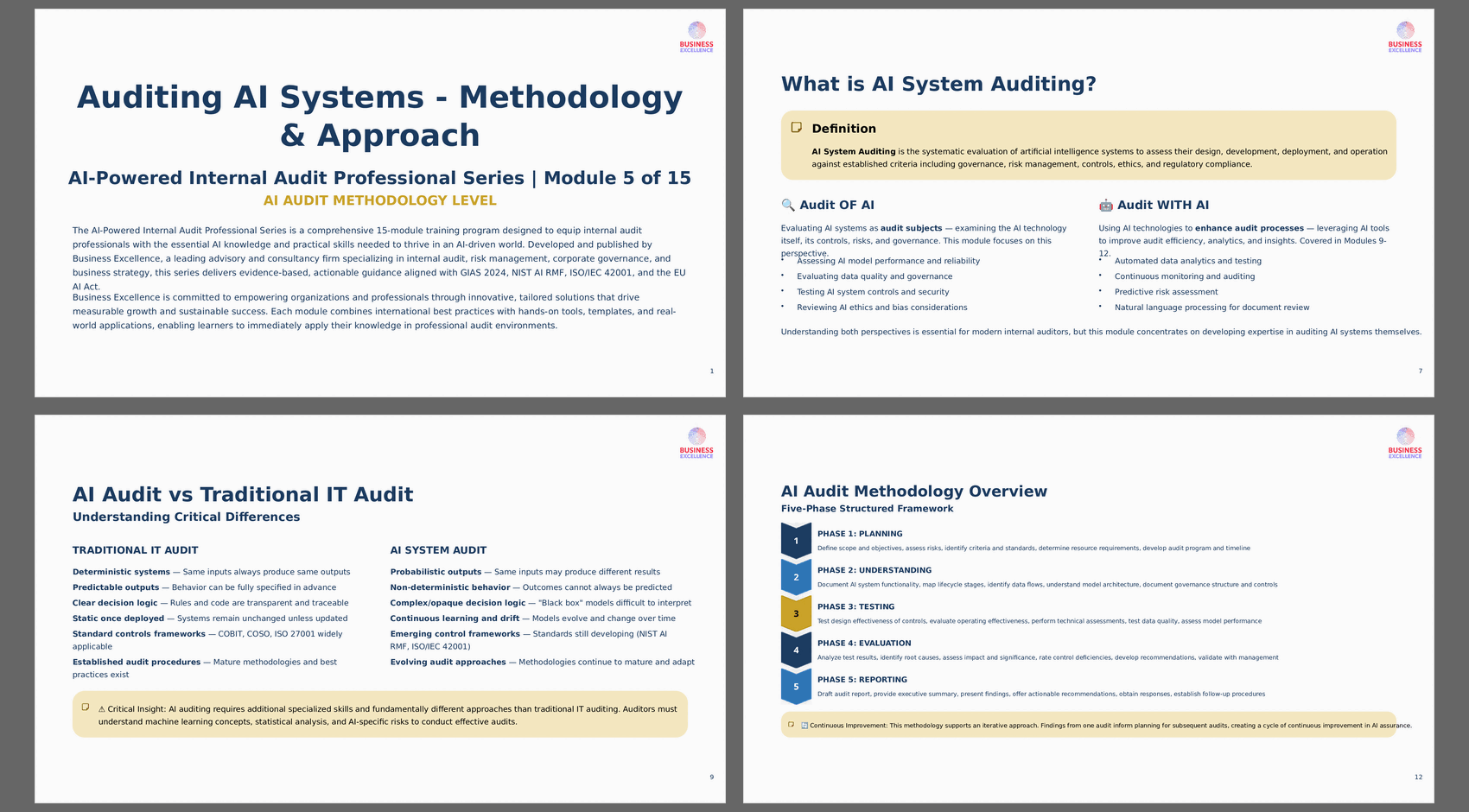
Knowing that AI must be audited is not the same as knowing how to audit it. This is Module 5 of the AI-Powered Internal Audit Professional Series, a 15-module program developed and published by Business Excellence – and it marks the transition from AI foundations to AI audit methodology.
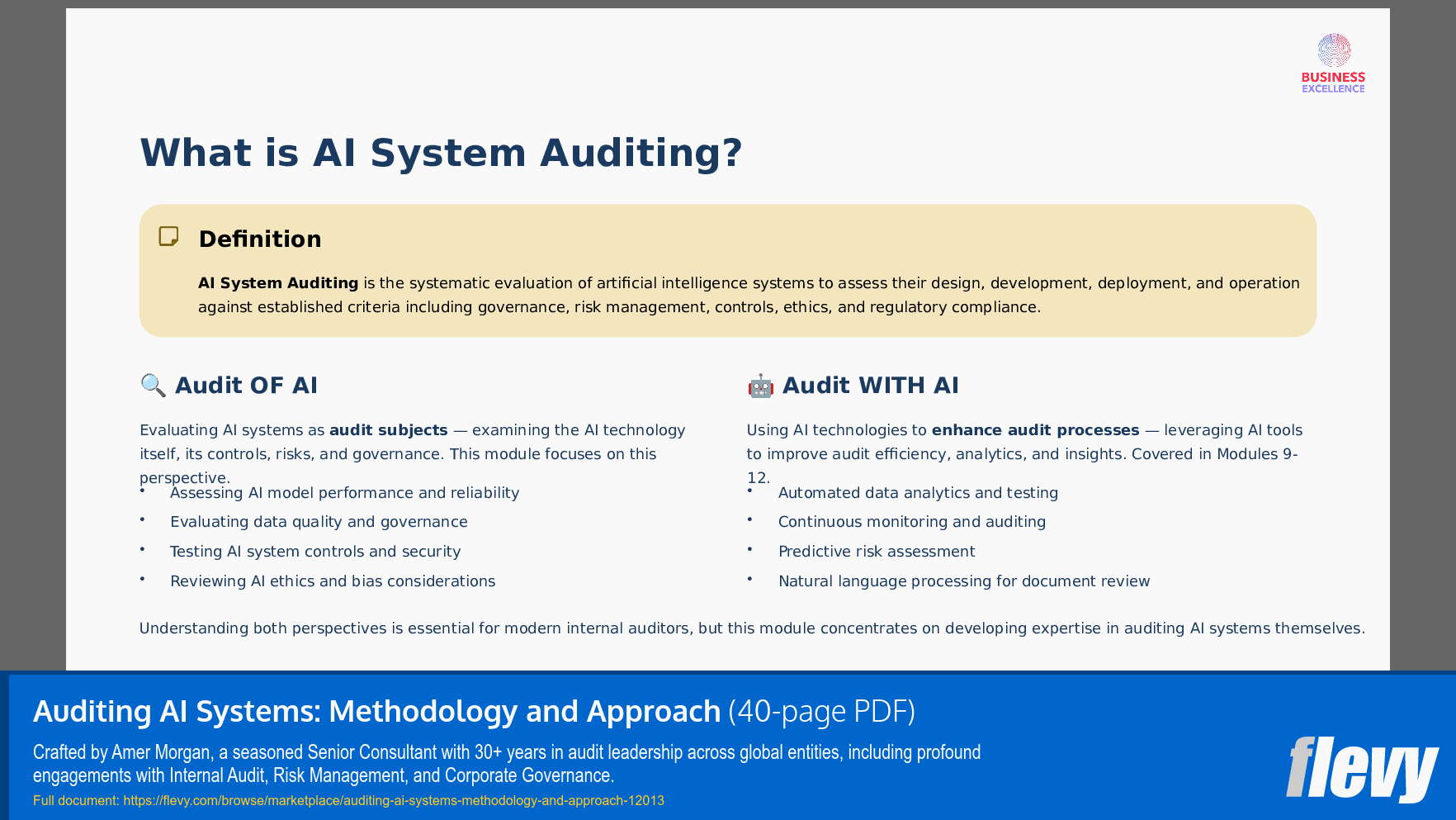
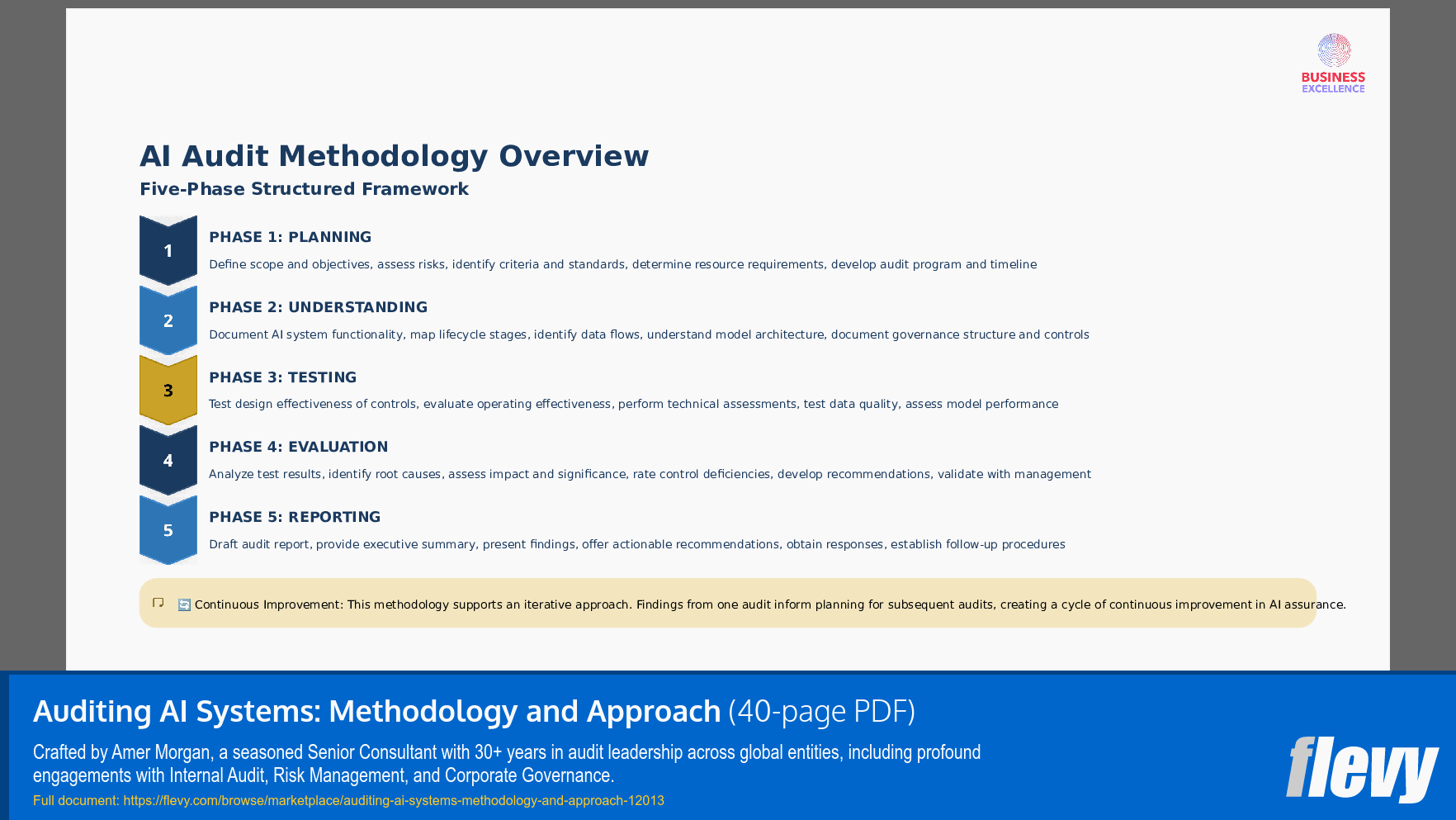
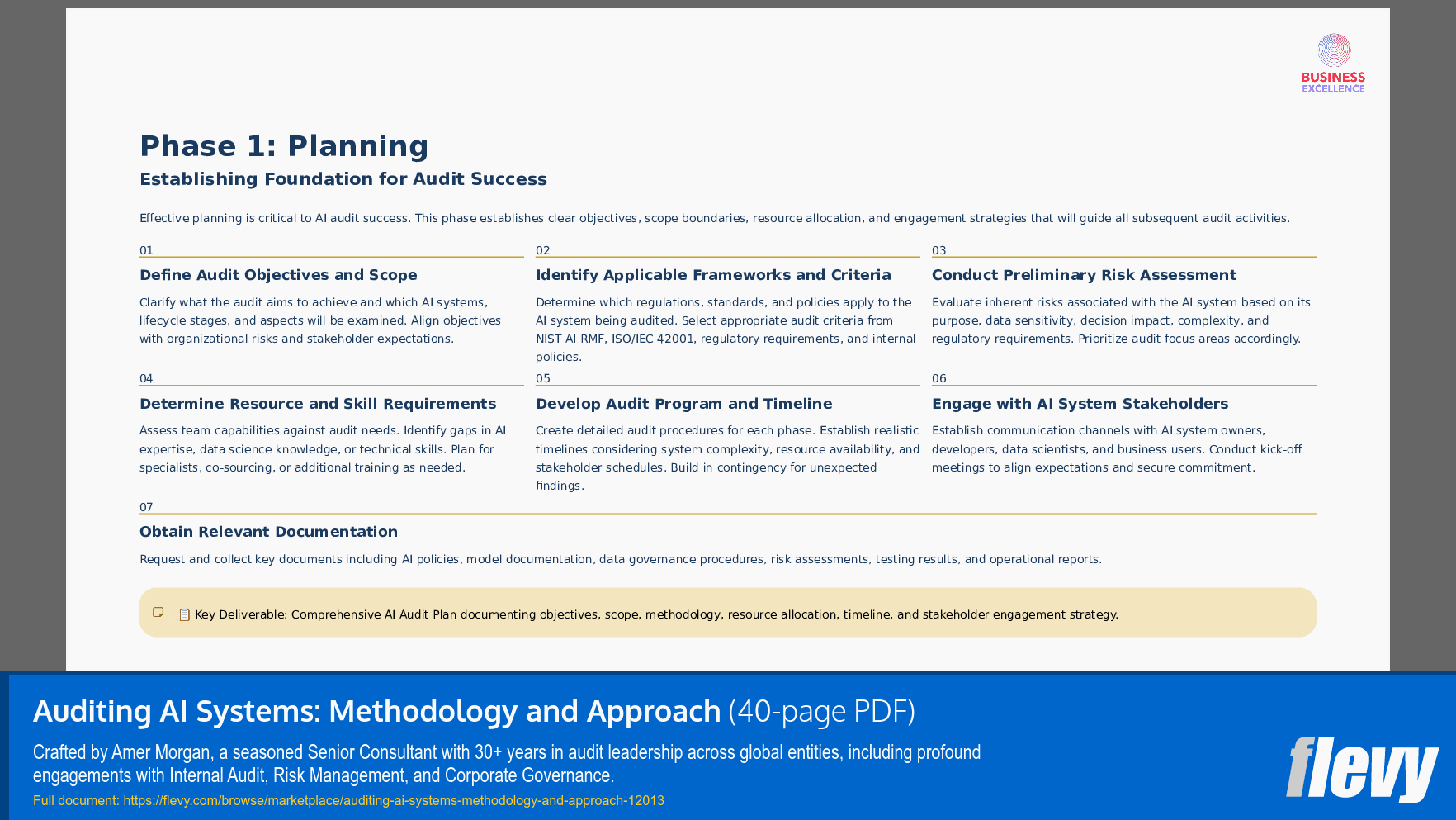
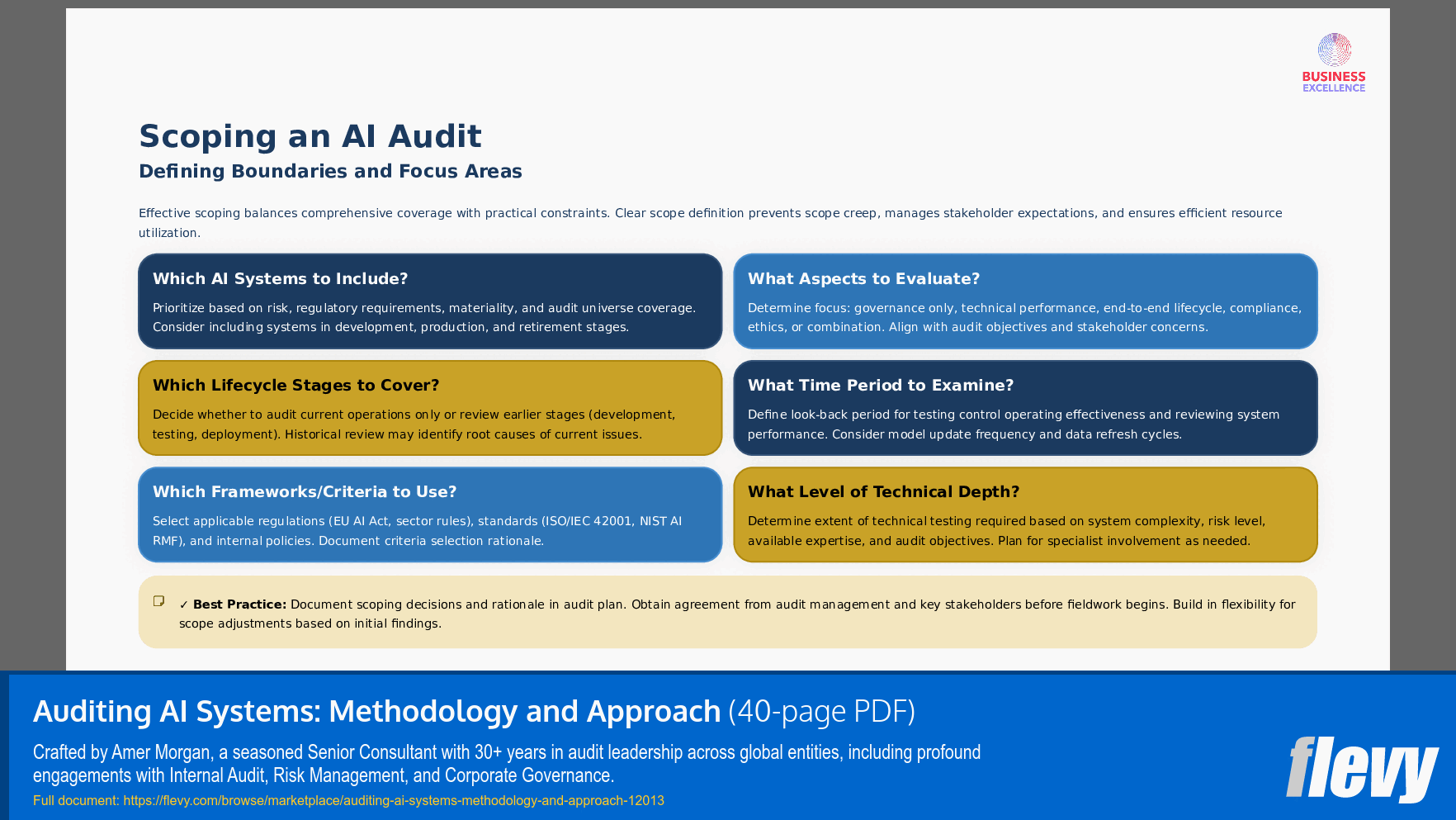
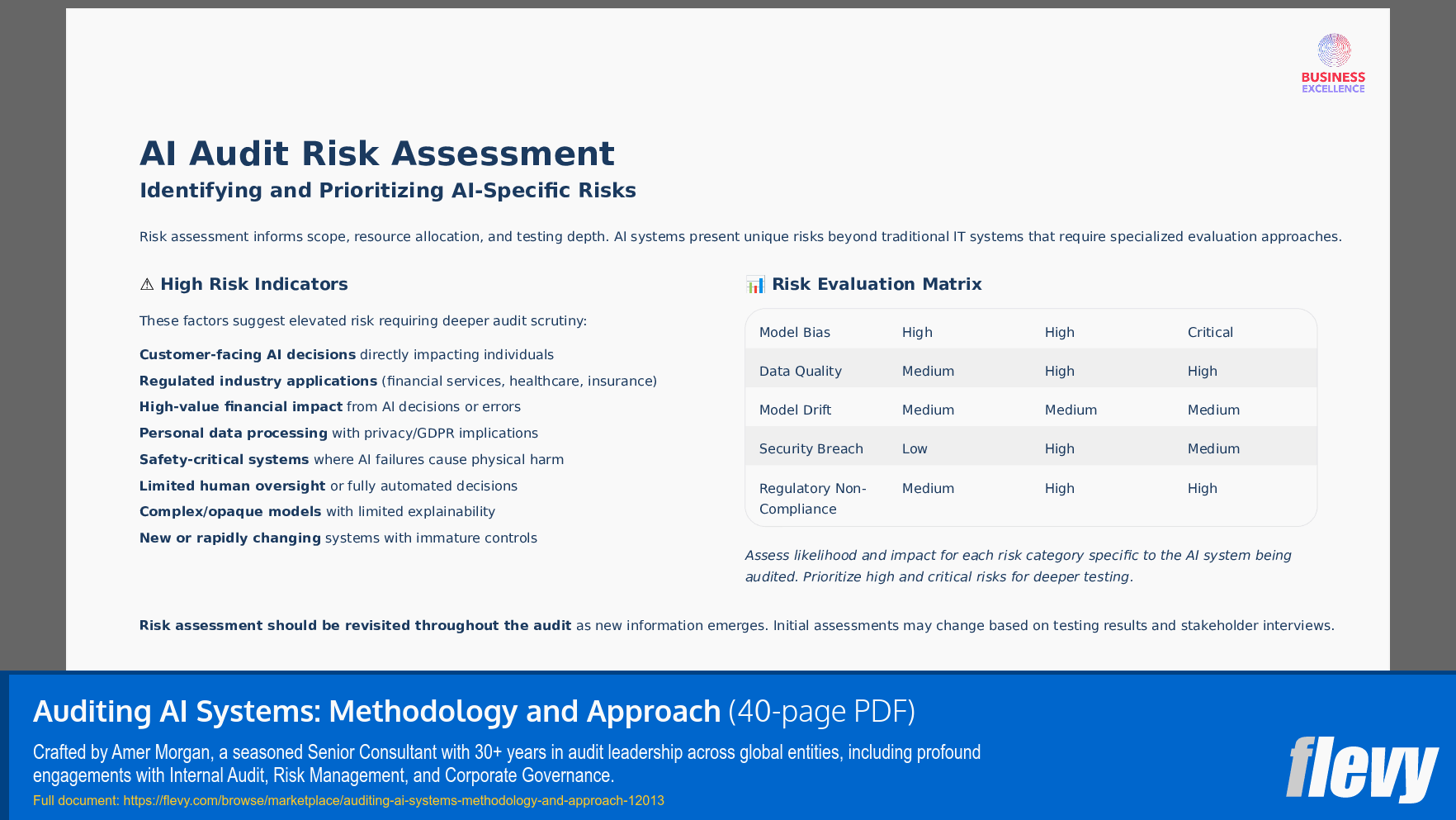
This module provides a complete, structured approach to auditing AI systems. It begins by establishing clear audit objectives that address governance, data quality, model performance, security, ethics, and compliance as relevant to the system under review. It then guides auditors through defining scope and boundaries – which AI systems, which lifecycle stages, which time periods, and which control areas are included, with explicit exclusions documented to manage stakeholder expectations.
A core contribution of the module is the AI system lifecycle: the seven critical stages from strategy and planning, through data collection, model development, validation, deployment, monitoring, and eventual retirement. Understanding each stage is essential, because risks and controls differ markedly from one stage to the next, and comprehensive audit coverage depends on mapping procedures to the right stage.
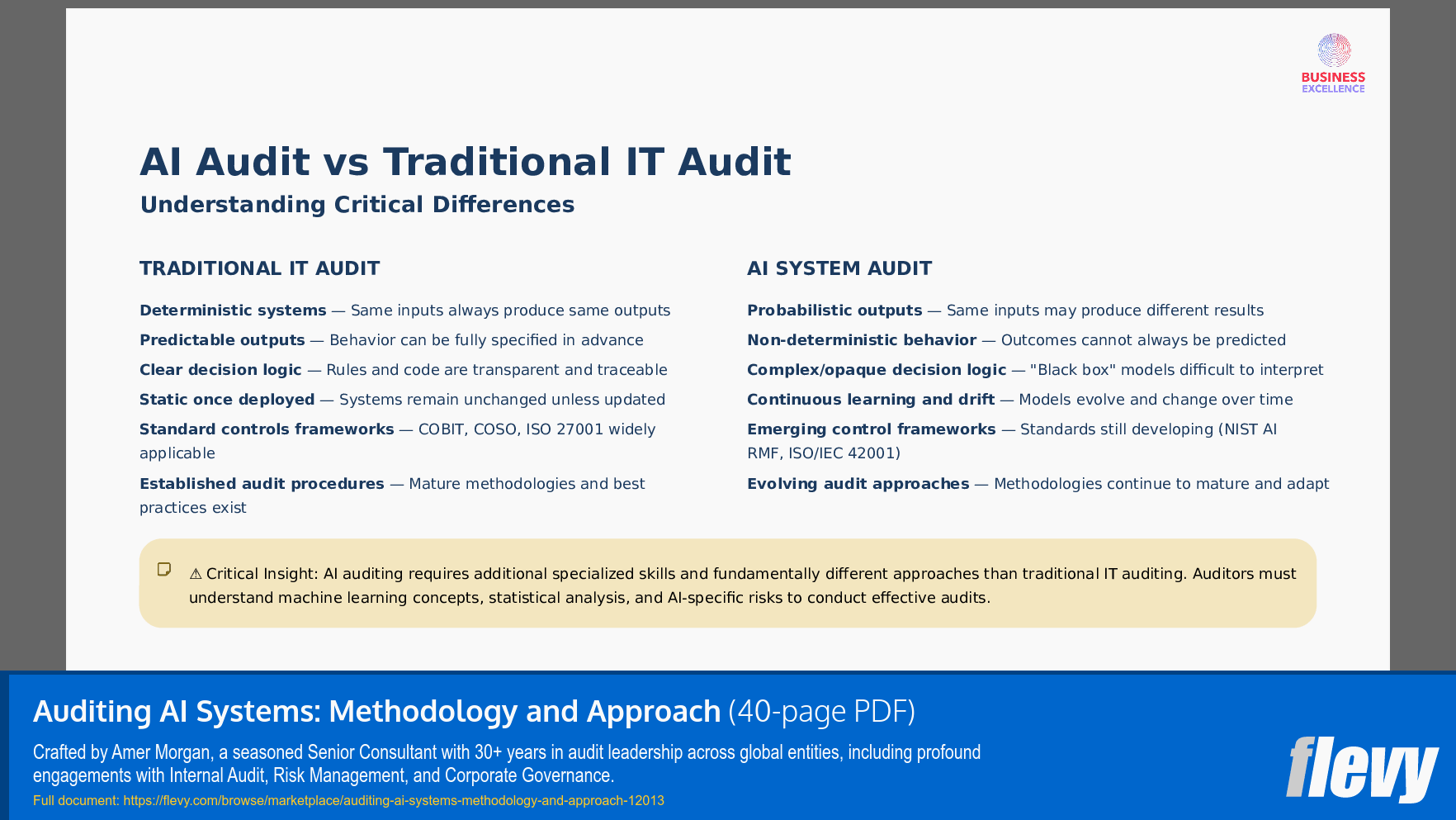
The module sets out detailed procedures for each audit phase – understanding, testing, evaluation, and reporting – combining standard audit techniques with AI-specific procedures such as model performance testing and bias assessment. It addresses testing approach and sample sizes, resource allocation and timeline, and the deliverables and reporting formats expected from an AI audit engagement.
Throughout, the methodology is anchored to recognized criteria, including the NIST AI Risk Management Framework, ISO/IEC 42001, the IIA Global Internal Audit Standards 2024, and the EU AI Act, ensuring that audit work is traceable to authoritative requirements. The content reflects current professional guidance, including ISACA AI audit resources.
Delivered as a professional PowerPoint presentation with full speaker notes, giving audit teams a methodology they can apply to their very next AI audit engagement.
Got a question about the product? Email us at support@flevy.com or ask the author directly by using the "Ask the Author a Question" form. If you cannot view the preview above this document description, go here to view the large preview instead.
Source: Best Practices in Audit Management PDF: AI Internal Audit M05: Auditing AI Systems PDF (PDF) Document, Amer Morgan
ABOUT THE AUTHOR

Amer Morgan is the founder of Business Excellence, Audit Consultant and Governance Advisor with over 30 years of practice in internal audit, enterprise risk management, and corporate governance across Qatar, Egypt, the UAE, and the USA. He currently leads the internal audit function for a sovereign-wealth-fund-owned food security group in Doha, with responsibility for board-level assurance across ... [read more]
Ask the Author a Question
You must be logged in to contact the author.




























